The 30 Seconds That Make or Break Your Ticket
Your customers are making purchase decisions before they reach the order point. That’s not a theory—it’s the entire premise behind pre-sell menus.
Here’s what the numbers say:
- 70%+ of QSR revenue flows through drive-thru lanes (National Restaurant Association)
- Digital menu boards increase sales by 3-5% on average, with some operators reporting double-digit lifts on promoted items (Digital Signage Today)
- The average drive-thru customer spends less than 30 seconds deciding what to order
Pre-sell menus give you that window. They’re the first branded touchpoint in the lane, positioned where customers are waiting anyway—before they hit the main menu board and feel the pressure of the car behind them.
What Pre-Sell Menus Actually Do
Traditional menu boards handle one job: display your full menu at the order point. Pre-sell menus handle a different job entirely.
They prime the decision.
When a customer pulls into the lane and sees your new spicy chicken sandwich or a limited-time combo deal on a pre-sell board, they’re not browsing—they’re absorbing. By the time they reach the speaker, they’ve already considered the upsell. The friction is gone.
This matters for three reasons:
- Faster lane times. Customers who’ve previewed promotions order faster. Less hesitation at the speaker means more cars through the lane per hour.
- Higher average ticket. Highlighting add-ons, combos, and premium items upstream—where there’s no time pressure—increases the odds they make it into the order.
- Cleaner product launches. New menu items need visibility. Pre-sell boards let you feature launches without cluttering your main menu or relying on crew upselling alone.
Where Pre-Sell Boards Fit
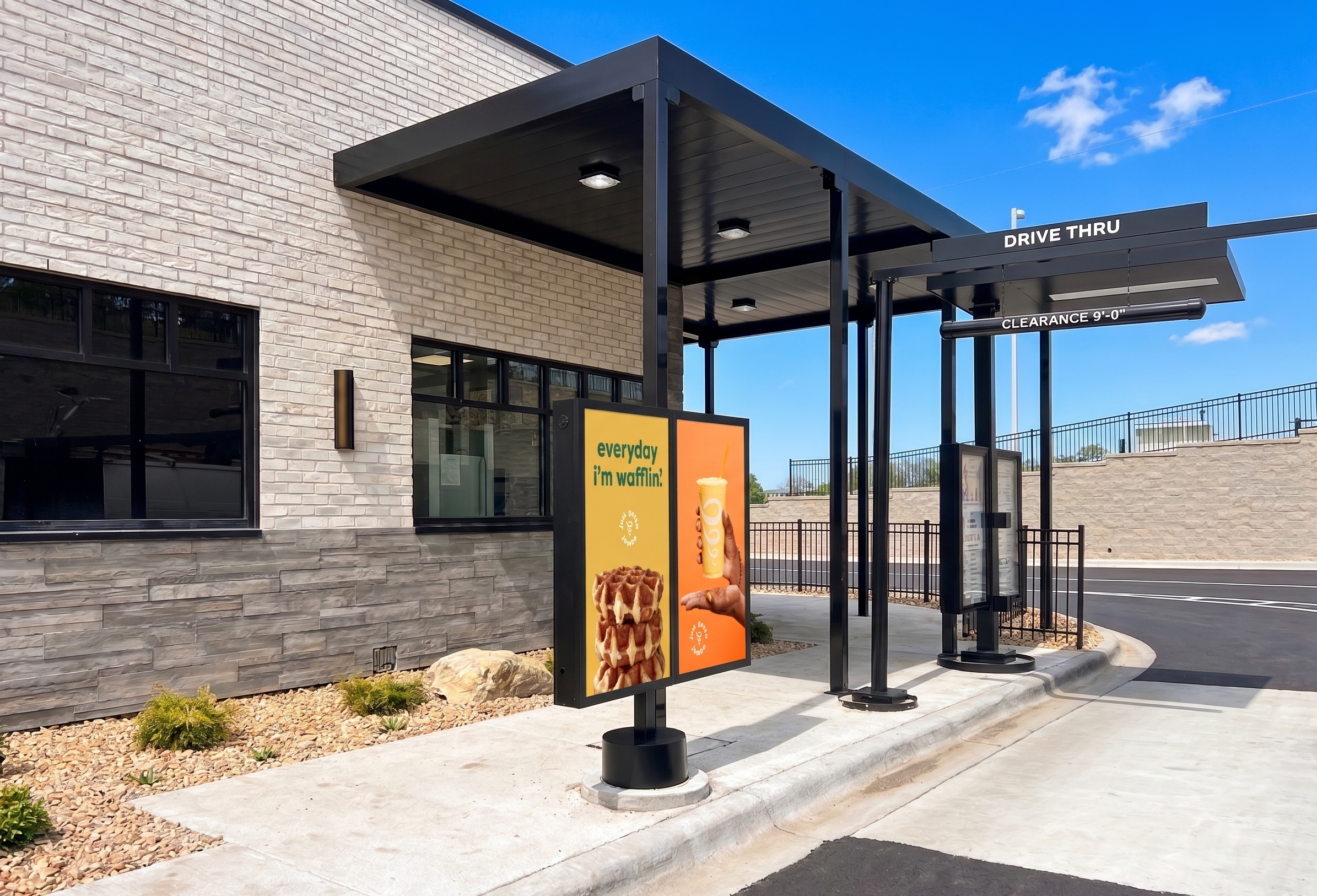
The sweet spot is after the customer commits to the lane but before they reach the order point. Common placements:
- Entry lane approach (first visual after turn-in)
- Queue zones (where cars typically wait during peak hours)
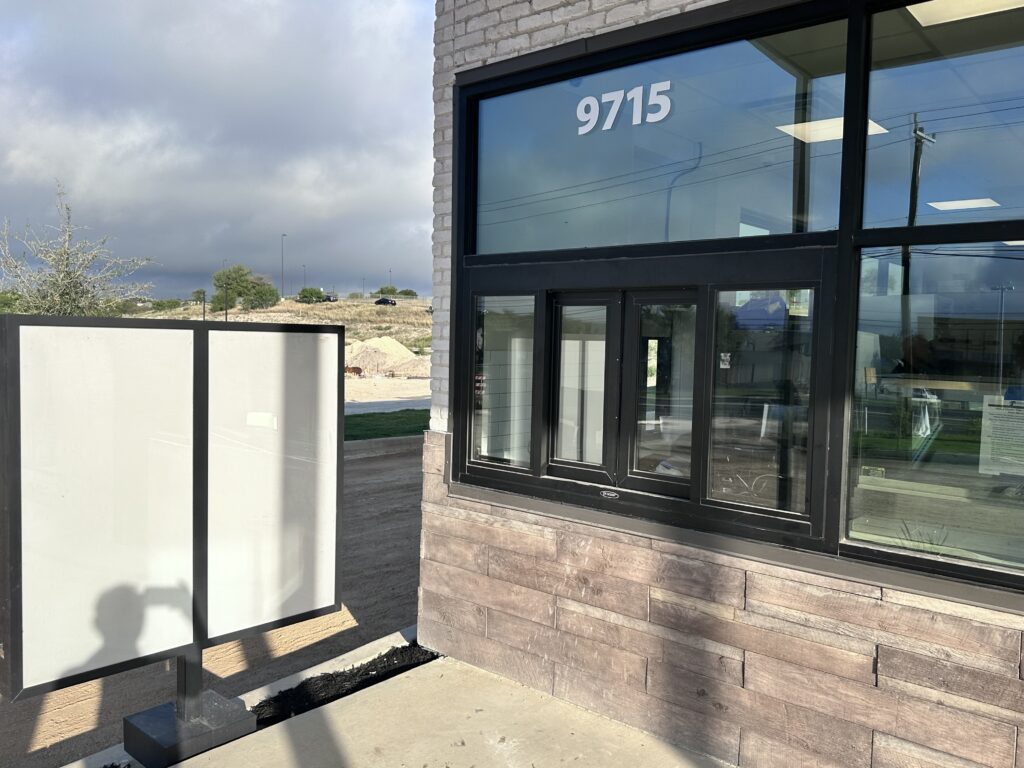
- Walk-up window approaches (sidewalk-facing for foot traffic)
For walk-up windows specifically, pre-sell signage serves double duty: it catches pedestrian attention from a distance and primes orders the same way it does for vehicles.
Static vs. Digital: What Makes Sense?
Both work. The choice depends on how often your promotions change and how much operational flexibility you need.
Static pre-sell boards are cost-effective for locations with stable menus or seasonal rotations. They’re durable, low-maintenance, and don’t require network infrastructure.
Digital pre-sell boards shine when you’re running frequent LTOs, dayparting promotions (breakfast vs. lunch vs. dinner), or want real-time content updates across multiple locations. The ROI case gets stronger as promo frequency increases.
Either way, the design principles stay the same:
- High contrast, readable at a distance
- One clear focal point per board
- Minimal text—images do the heavy lifting
- Consistent branding that matches your main menu aesthetic
The Bottom Line
Pre-sell menus aren’t complicated. They’re just underutilized.
If you’re running a drive-thru or walk-up operation and your first customer touchpoint is the main menu board, you’re leaving money in the lane. A well-placed pre-sell board—static or digital—turns dead queue time into decision-making time.
That’s faster lanes. Higher tickets. Better launches.
Ready to explore pre-sell options for your locations? [Contact our team] to discuss what makes sense for your drive-thru or walk-up setup. You can also connect with us on Linkedin for future content.