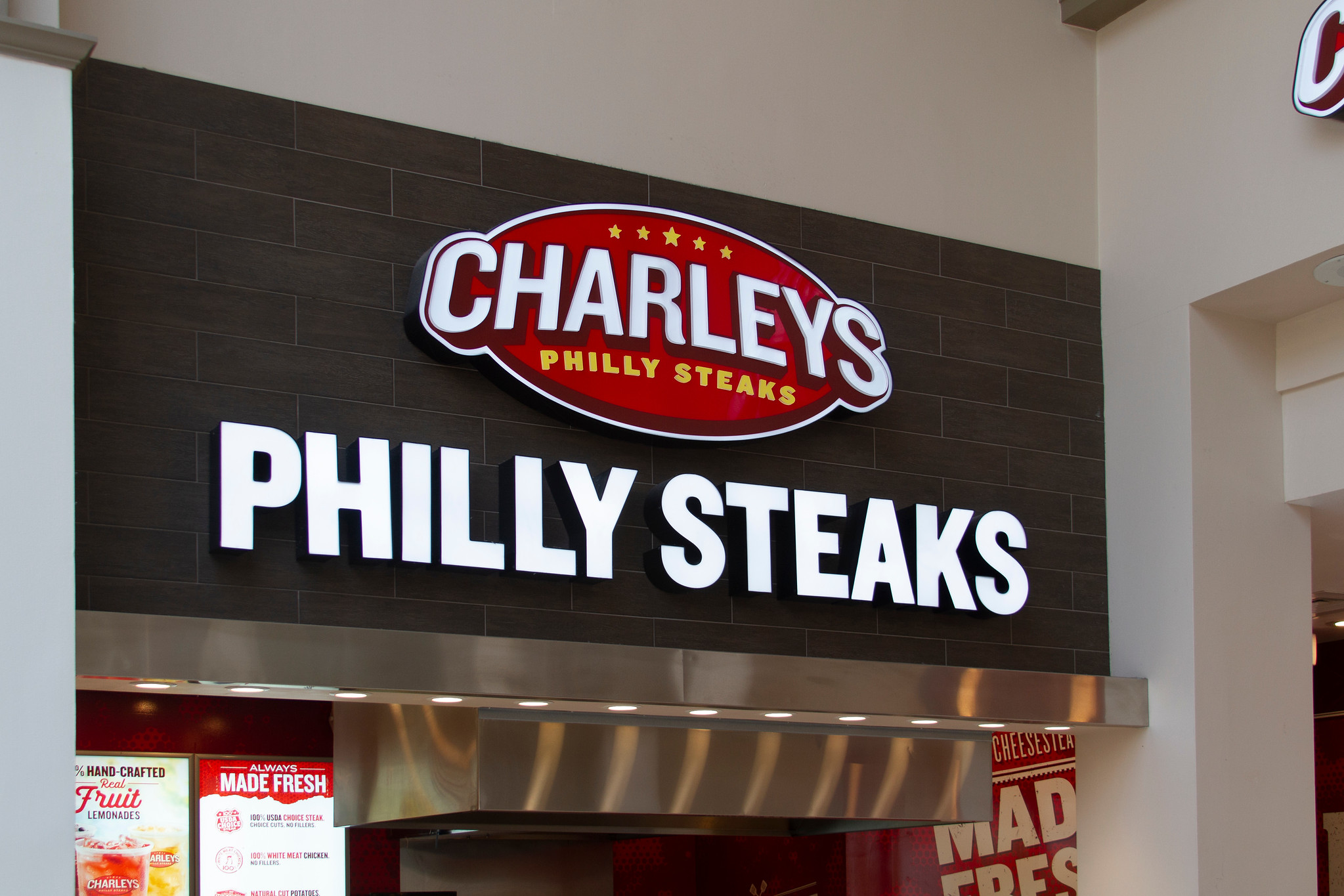
Standardization isn’t a style choice—it’s an operating system. And you don’t get it with a patchwork of vendors. When specs and workflows are consistent across markets, rework drops, cycle times compress, and unit costs stabilize. Here’s the short, CFO-friendly case for why standardization pays for itself.
Where Variability Bleeds Money
- Design drift: Different fonts, LED temps, paint codes, and mounting details multiply review cycles and redraws.
- Fabrication variance: Non-standard cabinets, hardware, and packaging increase setup time, material scraps, and quality control misses.
- Field surprises: Inconsistent survey information, missing details or dimensions, or unclear design plans trigger site returns and change orders.
- Paperwork chaos: Every city asks for similar things, but scattered templates = slower submittals and more comments.
The Compounding Effects (Good and Bad)
- Bad compounding: One ambiguous detail sheet becomes ten different interpretations across ten markets.
- Good compounding: One improved detail (e.g., anchor pattern, crate design) gets replicated everywhere, permanently removing a failure mode.
The Metrics That Move
Track these to make the ROI visible:
- First-Pass Quality: % of installs with zero rework after final inspection.
- OTIF: On-time, in-full delivery rate by market and program.
- Cycle Time: Permit-to-install median
- Change Orders per Site: Frequency and $ value—especially those caused by survey/estimating/design gaps.
- Cost per Location: Smoothed over 6–12 months to show the stability gains.
What Standardization Actually Looks Like
- Spec lock: Materials, finishes, LED/nit targets, raceway/backer rules, and fastener schedules in a single master.
- Detail library: Approved elevation sheets, attachment details, crate drawings, photo standards, and naming conventions.
- SKU discipline: A tight menu of components that purchasing can buy in volume—no ad-hoc alternates.
- Workflow templates: Standard kickoff agenda, permitting packet, survey checklist, and close-out deliverables.
- Vendor scorecards: Same inputs everywhere (FPQ, punch aging, permit responsiveness), reviewed quarterly.
Brand Impact (beyond ops)
- Consistency you can see. Same color temps, proportions, and finishes—coast to coast.
- Enterprise memory. Five years later you can match a cabinet finish and LED spec on demand.
- Less executive drag. One plan, one dashboard, one accountable owner.
#Standardization #SinglePartner #NationalRollouts #ProgramManagement #QualityAssurance #BrandConsistency #CostControl #FirstPassQuality #ContinuousImprovement #Signage #DataDrivenOps


