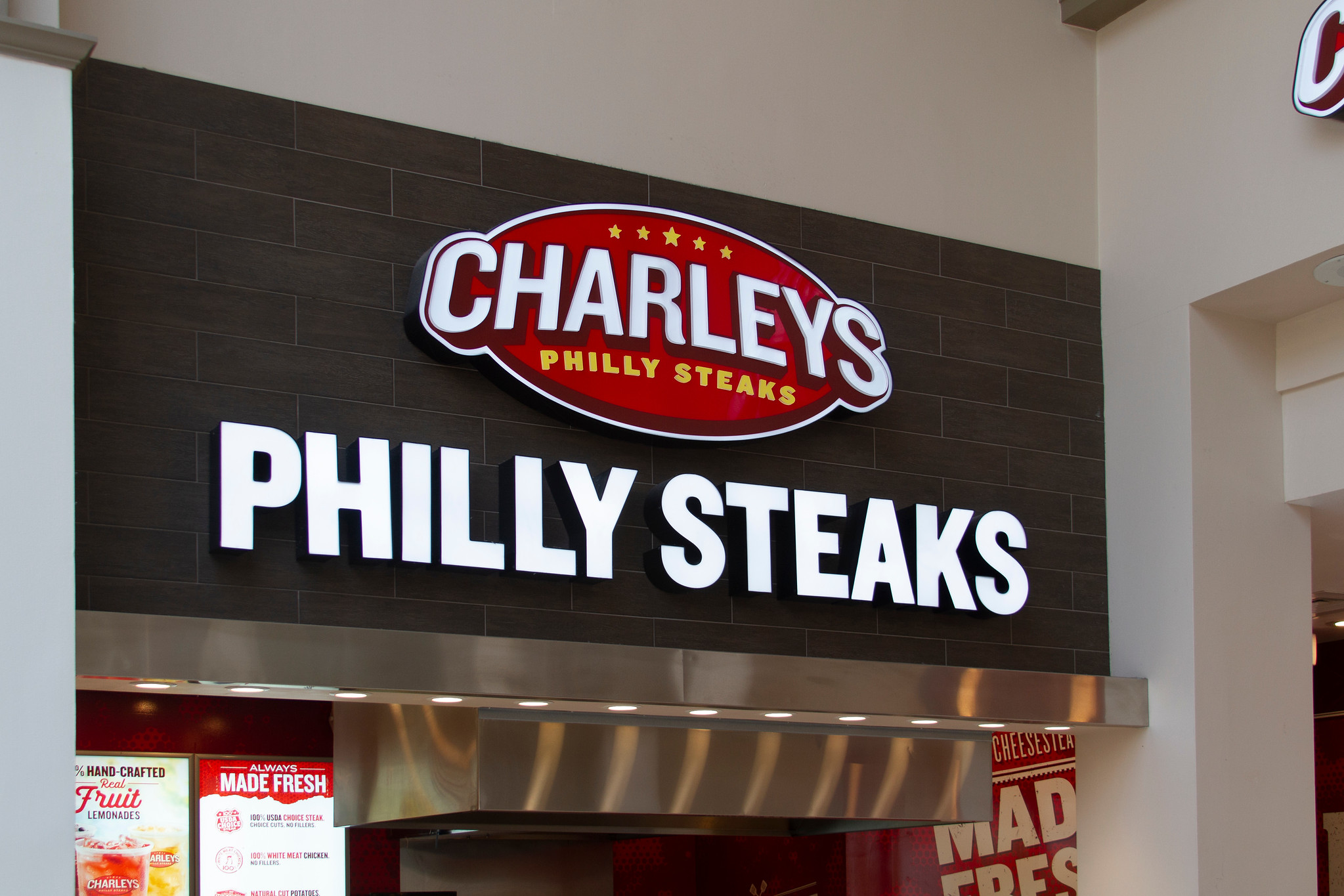
When you manage a multi-market rollout—signage, rebrands, refreshes—the choice is simple: one accountable partner or a patchwork of vendors. If you care about quality, consistency, and predictable cost/speed, a single national partner wins. Here’s the pragmatic case.
1) Quality Assurance That Scales
- One QA standard, zero drift. Centralized specs, submittal templates, and inspection checklists cut interpretation errors market-to-market.
- Shared lessons learned. Defects in Phoenix get prevented in Pittsburgh because the same team updates standards and trains the field.
- First-pass yield climbs. Fewer redraws, fewer re-ships, fewer site returns—all because details and tolerances are consistent.
2) Consistency in Product & Service
- Uniform look + build. Materials, finishes, lighting temps, mounting details—locked once, replicated everywhere.
- Repeatable service experience. Same kickoff cadence, same updates, same close-out documentation—so field teams and franchisees know what to expect.
- Predictable timelines. Standard lead times (permit, fab, ship, install) reduce variance; you plan promotions and openings with confidence.
3) Pricing Discipline Without the Whiplash
- Program rates. National volume consolidates buying power—sheet goods, LEDs, shipping lanes—stabilizing unit cost over time.
- Benchmarkable scopes. Like-for-like SKUs and install assumptions enable apples-to-apples comparisons and steady margins.
- Fewer change orders. Clear standards + pre-vetted site conditions = less scope creep and admin overhead.
4) Faster Feedback Loops = Better Outcomes
- One data spine. Central WIP, issue logs, punch items, and vendor scorecards feed real trend analysis (not guesswork).
- Continuous improvement. The same PMO tightens timelines, updates detail sheets, and retires problem SKUs across the whole portfolio.
- Risk surfaces early. A single dashboard makes permit bottlenecks, capacity dips, or QC slippage visible before they bite your dates.
5) Brand Control Over the Long Term
- No “close enough” compromises. Local substitutions that dilute brand equity are caught and corrected.
- Seamless reorders and repairs. Five years from now, you can match a cabinet finish or LED spec because the history lives with one steward.
- Enterprise memory. As your brand evolves, standards evolve once—then deploy everywhere, not negotiated city by city.
What This Means for Your Business
- Lower total cost of ownership: fewer defects, fewer repeat trips, less admin.
- Shorter cycle time: reliable critical path from approval to install.
- Higher brand equity: consistent execution customers notice (and remember).
- Less executive drag: one throat to choke, one plan to track.
Metrics that Prove It
Track these before/after moving to a single partner:
- First-pass quality rate (no rework after install)
- Change-order frequency & $ per site
- Permit-to-install cycle time (median + p90)
- On-time, in-full (OTIF) percentage
- Cost per location over 6–12 months (smoothing seasonality)
Quick FAQ
Isn’t multi-vendor safer? Diversification feels safe, but it often creates variable quality, unpredictable costs, and governance overhead. Use strategic subs under one national steward instead.
What if a market needs a niche installer? Your national partner curates and manages that vendor inside the same QA, safety, and reporting framework.
#SignPermitting #NationalRollouts #ProgramManagement #VendorConsolidation #QualityAssurance #BrandConsistency #Standardization #CycleTime #CostControl #MultiSiteProjects #FranchiseDevelopment #FacilitiesManagement #Signage #ConstructionOps #ContinuousImprovement