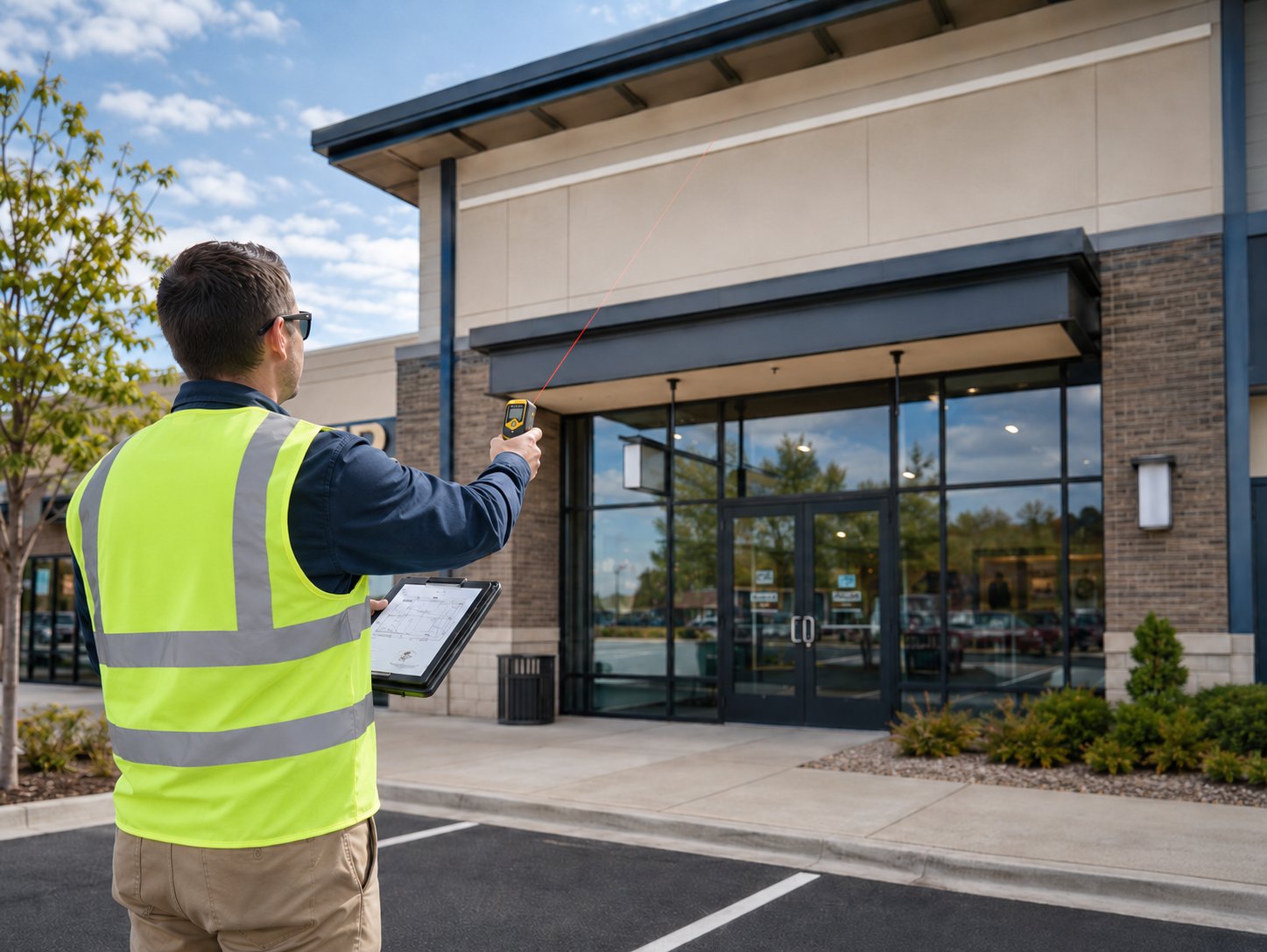
Permitting can make or break your schedule. Get it right, and fabrication/installation hums along. Miss a requirement, and you can lose weeks—or worse, be forced to remove a brand-new sign. This guide walks you through the typical permit process, what cities expect in your submittal, the documents you’ll almost always need, and how variances and design review boards actually work in the real world.
The Process (at 10,000 feet)
- Confirm jurisdiction & zoning. City vs. county, and whether any overlays (historic, corridor, design districts) apply.
- Align scope to code. Check what types, sizes, heights, and illumination are generally allowed for the site.
- Assemble a basic packet. Application, site/elevation drawings, and any required approvals.
- Submit & pay fees. Some places split zoning review from building/electrical.
- Review & comments. Expect at least one round of questions; respond promptly.
- Permit issuance & inspections. Know what’s inspected (e.g., footing and final) and schedule early.
Typical Requirements (what reviewers look for)
- Fit to code: Area, height, setbacks, and location relative to property lines/ROW.
- Design context: If overlays apply, cities look at materials, illumination style, and how the sign fits the architecture.
- Safety/structure: Whether the sign and its attachments meet structural and electrical standards.
- Site accuracy: Clear depiction of where the sign sits, how high it mounts, and sightline awareness at driveways/intersections.
Frequently Requested Documents (light list)
- A completed application and owner/landlord authorization.
- Site plan showing location and property context.
- Scaled building elevation or rendering with basic dimensions and mounting height.
- Technical details appropriate to the sign type (high-level is fine unless the city asks for more).
- Photos of existing conditions.
Timelines & Fees (plan buffers)
- Simple wall signs: ~1–3 weeks.
- Freestanding or multi-agency: ~4–8+ weeks.
- Historic/design boards or variances: Add meeting cycles (often monthly).
- Fees: Application, plan review, and permit issuance; sometimes separate electrical or right-of-way charges.
Common Pitfalls
- Wrong jurisdiction or zoning assumption. Postal city ≠ permitting authority.
- Over-sizing or mis-calculating area. Use the city’s method (frontage, wall-area %, or fixed cap).
- Ignoring overlays. Historic/design districts often limit materials or illumination.
- Vague drawings. If reviewers can’t verify basics, you’ll get kicked back.
Variances (when code doesn’t fit the site)
A variance is an ask to depart from a specific rule (height, area, count). Approval isn’t automatic.
- When to consider: Unique site constraints (grade, lot shape, visibility conditions) where strict compliance undermines basic visibility.
- What boards look for: Property-based hardship, minimal relief, and consistency with the ordinance’s intent.
- Process snapshot: Pre-app → application + narrative → public notice → hearing → decision (often with conditions).
- Mindset: Bring evidence (sightlines, context), show alternatives, and tailor the request narrowly.
Design/Architectural Review Boards (DRB/ARB)
Even compliant signs may need board approval in special districts.
- Focus: Materials, proportions, lighting approach, and fit with streetscape/architecture.
- What to expect: A design dialogue—be ready to adjust. Budget extra time for meeting calendars and potential revisions.
Inspections & Close-Out
Expect checks at key milestones (e.g., footing and final/electrical). Close the loop with sign-offs and final photos—some cities won’t consider the job complete without them.
Quick Starter Checklist
- Confirm jurisdiction, zoning, and any overlays
- Align concept to general code limits
- Prepare a clean application, site plan, and scaled elevation
- Add concise technical details & photos
- Submit, track comments, schedule inspections
- Archive approvals for close-out
#SignPermitting #Signage #CodeCompliance #Zoning #Permits #ProjectManagement #CommercialSignage #Construction #DesignReview #Variances #Inspections #MasterSignPlan